
 EN
EN
 AR
AR
 BG
BG
 HR
HR
 DA
DA
 NL
NL
 FI
FI
 FR
FR
 DE
DE
 EL
EL
 HI
HI
 IT
IT
 JA
JA
 KO
KO
 NO
NO
 PT
PT
 RO
RO
 RU
RU
 ES
ES
 SV
SV
 TL
TL
 LV
LV
 LT
LT
 SR
SR
 SK
SK
 SL
SL
 UK
UK
 VI
VI
 ET
ET
 GL
GL
 HU
HU
 TH
TH
 TR
TR
 UR
UR
 BN
BN
 LA
LA
 TA
TA
 KK
KK
 UZ
UZ
 KY
KY

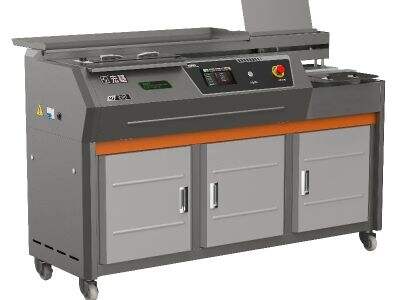
A great way to keep a book or magazine looking new is to not let the pages get wrinkled, which has everything to do with how neatly you can close it. A way to do this is by hot melt glue binding. It’s held in place by a glue that melts when heated, then hardens to keep the pages secure. However, creating the perfect bound book is not a simple as it sounds. It requires care, the right materials and a bit of know-how. FRONT knows this well. We've done business with a lot of companies who asked us to give their binding strong, clean And smooth impressions. We are going to discuss how you get the best results when binding your orders, especially if you’re buying big and where can you acquire the proper hot melt glue binders for those large orders
Perfect Binding with Hot Melt Glue Binder to Wholesale Buyers
When you order hot melt glue binders in bulk, things can get complicated fast. You want your favorite books and magazines not to have pages that fall out when you open them, and for the edges to look professional. The place to start is with the right glue for the paper and cover. If the glue melts too quickly or not quickly enough, pages could slide and cover might not adhere properly. The thing with FRONT’s glue is that it’s designed to work well with a variety of materials, so this helps you steer clear of those types of problem. And, temperature control is really important also. Too hot, and the glue can scorch or become runny; too cold, and it will not stick properly. Consider your machines when shopping for wholesale. Can they heat the adhesive uniformly? Are they able to secure the pages firmly while the glue sets? And if it doesn’t, not even the greatest glue in the world will mend that. Another thing is timing. You need to let the glue dry before moving the books or else it will break off. FRONT provides tips and guidance on how to configure your machines and processes just right. Forget one of these, and your big order will be riddled with errors. So, follow product-safety guidelines and test in small batches at first. That way, you save cash and aggravation. And remember, when buying in bulk you prefer less waste and more quality, so be strategic
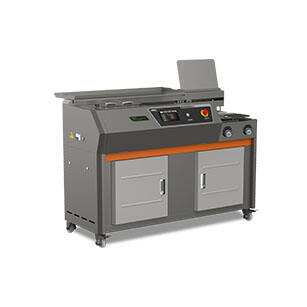
Where to Buy Good Quality Hot Melt Glue Binders in Wholesale Quantities
When it comes to finding quality hot melt glue binders for large orders, cost is not all there is. Cheap glue could save money initially, but it can lead to weak binding that doesn’t last. FRONT knows this from experience. We concentrate on making a glue that stays tacky when you push down and won’t shatter with age.” As you are in a quest of suppliers, try to see if they offer samples. It never hurts to try out glue on your specific paper and covers before you make a big purchase. Also, try to find a company that listens and responds to the questions you ask. If they know what you’re using them for, they can recommend the best type of glue rounds for your specific products. The team at FRONT will always be on hand to help advise you because we understand that each product is never the same. Sometimes, it’s not only about the quality of the glue; it’s also about how fast you get your order and customer service. Large orders require swift shipping and contingency plans if something goes awry. Find suppliers that can accommodate your timeline and offer flexible quantities. Finally, consider the glue’s safety and environmental impact. Some older glues are smelly or filled with chemicals, which wouldn’t be good for workers or the planet. FRONT is developing cleaner, safer glues that don’t lose their strength. Who We Are Your glue choice is a big decision. It can affect how your finished product feels and wears. So, be patient, ask questions and find a partner who cares as much about your success as you do
How to Solve the Problems in Hot Melt Glue Binding in Large-Format
So many things can go wrong when doing hot melt glue binding on big print jobs, but it will be ok! Solving these issues is actually easier than easy. The first two concerns that occur the most are glue-resistant paper and not enough adhesion on the printed substrate. This occurs when the glue is either too cold or too hot. If the glue is too cold, it may not melt all the way, and then it won’t adhere and bind together your pages. If it’s too hot, the glue will be too runny and a mess. Here at FRONT we always test our glue temperature very carefully before starting a big run. It helps the glue adhere well and keeps your books strong. The other issue is that pages fall out after being bound. This can occur when there isn’t enough cool-down time for the glue before the books are opened and closed. The solution to this is that you should give the books enough time to cool down after binding. Here at FRONT, we also ensure that the glue is evenly distributed along the spine of the book. A patchy glue can make some pages fall out. You will be able to test how well the glue was applied by looking at the spine after binding, if you see areas of separation or thinness, it is an indication that you did not get good coverage on your pages. Try to adjust the glue flow or the binder speed to cure this. And sometimes, the paper makes trouble. If the paper is too smooth or coated, the glue may not bond properly. FRONT has special glue formulas which are good at adapting to different paper specifications, but if you have an extreme or fancy paper, please test glue immediately. Also, be mindful of dust or dirt on the edges of the papers. This could prevent the glue from adhering adequately
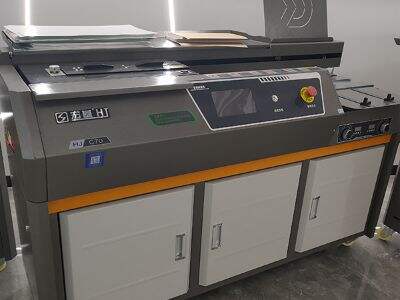
How to Set-up the Hot Melt Glue Binder Machine for Maximum ROUGH SERVICE and PROFESSIONAL BINDS
So achieving a strong and clean book result with hot melt glue binding is about ensuring the binder is set up correctly. At FRONT, we’ve found that small adjustments on the machine setup can have a big impact on how your book looks and lasts. First, check the glue temperature. The glue needs to be hot enough to melt completely, but not so hot that it scorches or runs off of the pages. FRONT has internal temperature control which maintains the perfect glue consistency. Helps the glue penetrate into the paper fibers, providing a stronger bind. Next, set the speed of the binder machine. If the machine is moving too fast, the glue may not get a chance to adhere before it cools. In some cases, this means moving too slow can be a waste of both time and glue. FRONT tests various speeds to determine the ideal combination for each job, resulting in all books held tight but efficiently produced. Yet another significant configuration is the pressure applied during a binding operation. The binder squeezes the spine that is glued to keep the pages together. If the pressure is too light, the glue may not adhere. If it’s too high, the pages run the risk of being damaged or that the glue will ooze out too much. FRONT adjusts the pressure very precisely so that not only is the paper secure but the glue remains potent. And it is important to control the amount of glue you are using as well. Not enough glue and the binding is weak; too much and you get edges that look messy. FRONT regulates the quantity of glue to apply according to both the size and type of paper. Lastly, take into account the cooling time after bind. The bonds gets stronger if the glue is allowed to cool slowly. FRONT relies on cooling racks and timers to ensure that the glue sets just in time before the books are packed or manhandled. Fine-tuning these settings, FRONT works to produce books with staying power that look great and remain together for years - really giving your printing project a polished professional touch
How to Get Optimal Hot Melt For High-Volume Bindery Runs
When you’re talking about a large run, for example where we’re printing thousands of books, getting the hot melt glue binding machine to work properly each time can be some what difficult. At FRONT, we understand the importance of maintaining reliable quality in multiple runs over time, which is why we follow certain steps to keep the glue adhesion process consistent and avoid issues during high volume production. Check the machine regularly First and foremost, regular machine checks are a necessity. At predetermined intervals, we halt the binder and search for any issues, such as glue temperature fluctuations, inconsistent glue application or paper jams. To have noticed these stops early is to catch small problems before they become big ones. Plus, FRONT relies on high-quality glue that holds steady for lengthy runs. Some glues can get thicker or dry out if you take too much time on a project, while our glue retains its strength and stickiness, even after many hours of work. Another important factor is keeping the paper clean and in good binding condition. Dirt, grease or moisture on the paper may cause poor bond with glue. FRONT ensures that the paper is stored correctly and cleaned prior to binding. Over long runs, dust can accumulate on the machine parts, so frequent cleaning of the binder itself will ensure that glue flows smoothly. Staff training is also important. FRONT, we train our staff to scan for subtle alterations during the run, such as pages shifting or glue appearing different. These quick fixes can help maintain the momentum of the full project. We also rely on sensors and smart controls, which give us a warning if something doesn’t seem right, such as the temperature of glue getting low or the binder running too quickly. And lastly FRONT schedules breaks in long runs so the machine rests and glue system resets. This avoids overheating with choking of the glue and blocking, leading to bind failure
Table of Contents
- Perfect Binding with Hot Melt Glue Binder to Wholesale Buyers
- Where to Buy Good Quality Hot Melt Glue Binders in Wholesale Quantities
- How to Solve the Problems in Hot Melt Glue Binding in Large-Format
- How to Set-up the Hot Melt Glue Binder Machine for Maximum ROUGH SERVICE and PROFESSIONAL BINDS
- How to Get Optimal Hot Melt For High-Volume Bindery Runs